History and Literary Eminence
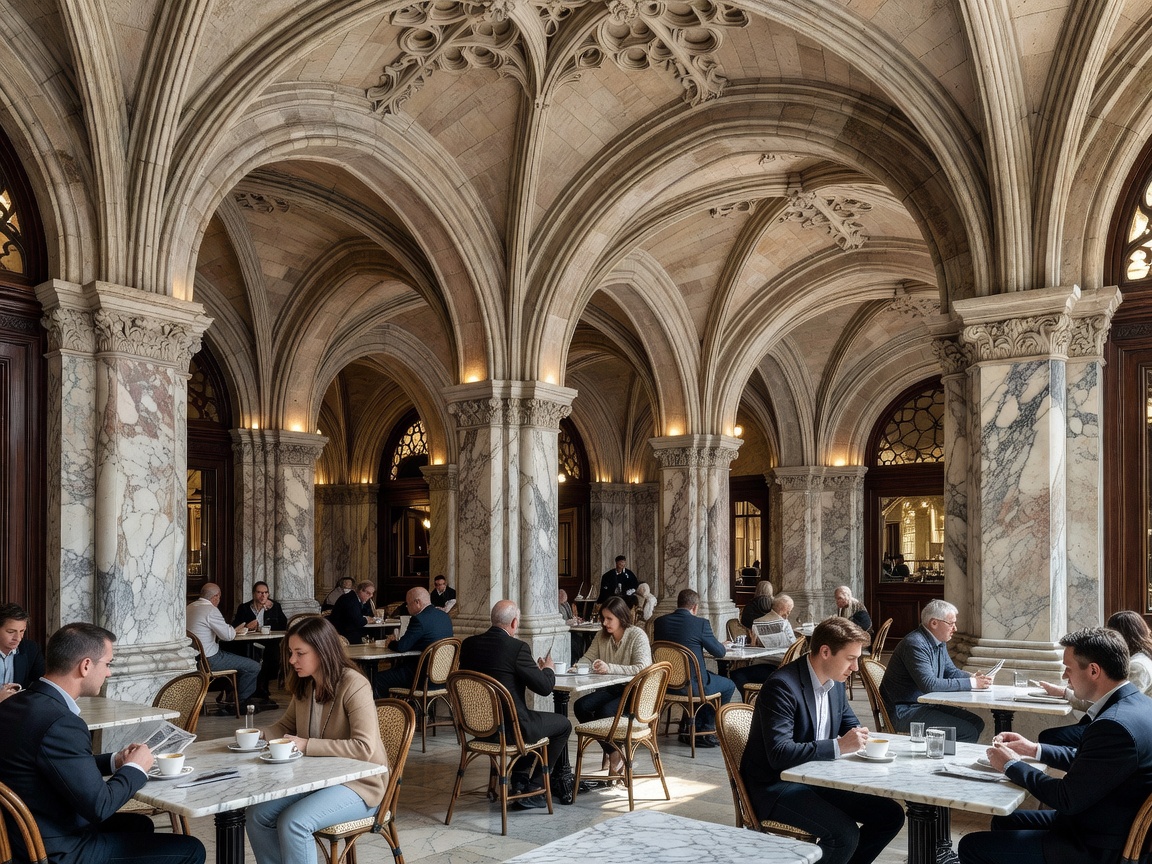
Café Central opened its doors in 1876 within the imposing Palais Ferstel on the corner of Herrengasse and Strauchgasse. Designed by architect Heinrich von Ferstel following an extended study journey through Italy, the building reflected a Venetian-Tuscan Late Gothic style that stood in deliberate contrast to the classical baroque prevailing across Vienna’s First District.
By the late nineteenth century, the establishment had superseded older establishments as the premier meeting salon for Vienna’s literary avant-garde, scientists, and political exiles. The poet Peter Altenberg spent so much time at his corner table that he had his personal correspondence, laundry, and daily mail delivered directly to Café Central; a lifelike papier-mâché effigy of him still welcomes patrons at the entrance foyer. Among the regular chess players in the back rooms were Leon Trotsky, Vladimir Lenin, and chess grandmaster Savielly Tartakower.
Architectural Splendor & Spatial Ambiance
The moment you step through the heavy wooden revolving door, the sense of ecclesiastical scale is immediate. High ribbed vaults support soaring brick arches painted in subtle cream and terracotta hues. Slender polished marble colonnades divide the expansive dining hall into intimate quadrants, dampening the room’s acoustic resonance so that murmuring conversations blend pleasantly with the live Steinway grand piano performances held each afternoon.
Classic Thonet bentwood dining chairs—modeled on Michael Thonet’s legendary Chair No. 14 design—surround circular white marble tables. Polished brass chandeliers cast a warm, golden illumination over the room, reflecting off floor-to-ceiling gilded mirrors and an imposing oil portrait of Emperor Franz Joseph I and Empress Elisabeth (Sisi) positioned proudly above the hall.
What to Order: Signature Coffees and Patisserie
The patisserie vitrine at Café Central is curated by in-house master pastry chefs (Konditormeister) and ranks among the most accomplished in Central Europe:
- Café Central Kaffee: A double espresso infused with apricot liqueur, crowned with a dense dome of chilled whipped cream.
- Café Central Torte: The house creation composed of layered almond pastry, marzipan, dark chocolate ganache, and a delicate touch of orange essence.
- Altenberger Melange: A classic Viennese espresso served with equal parts milk foam, sprinkled with cocoa powder and paired with an almond biscuit.
- Kaiserschmarrn: Fluffy shredded pancake caramelized in butter and sugar, served steaming alongside homemade plum compote (Zwetschkenröster).
Visiting Considerations: Pros and Cons
Distinct Advantages
- Breathtaking vaulted neo-Gothic interior unmatched anywhere in Vienna.
- Live grand piano performances every afternoon from 15:30.
- One of the most extensive and artistically refined cake vitrines in Austria.
- Historic authenticity steeped in verifiable literary and political records.
Practical Drawbacks
- Substantial queues along Herrengasse during peak hours (11:00–16:00).
- Reservations are strictly mandatory for afternoon table priority.
- A bustling, high-volume tourist atmosphere during summer weekends.
- Higher price tier reflective of its premier historic palace location.
Etiquette and Practical Tips
When arriving at Café Central without a reservation, join the designated line outside on Herrengasse. The door attendant coordinates seating systematically. Once seated, do not attempt to catch the waiter’s eye by waving your hands; a gentle nod when the staff member looks in your direction is customary. If you wish to read, ask the waiter for the international newspaper rack, which offers German, English, and French daily publications on traditional wooden split-cane holders.