UNESCO Intangible Cultural Heritage

Vienna’s Legendary Coffee House Culture

An institution where time and space are consumed, but only the coffee is found on the bill. Step across polished parquet into imperial salons, literary haunts, and velvet booths that have shaped European thought since 1683.

Imperial Gazette • Gazette des Cafés • Edition 2026

The Oasis of Solitary Contemplation & High Society

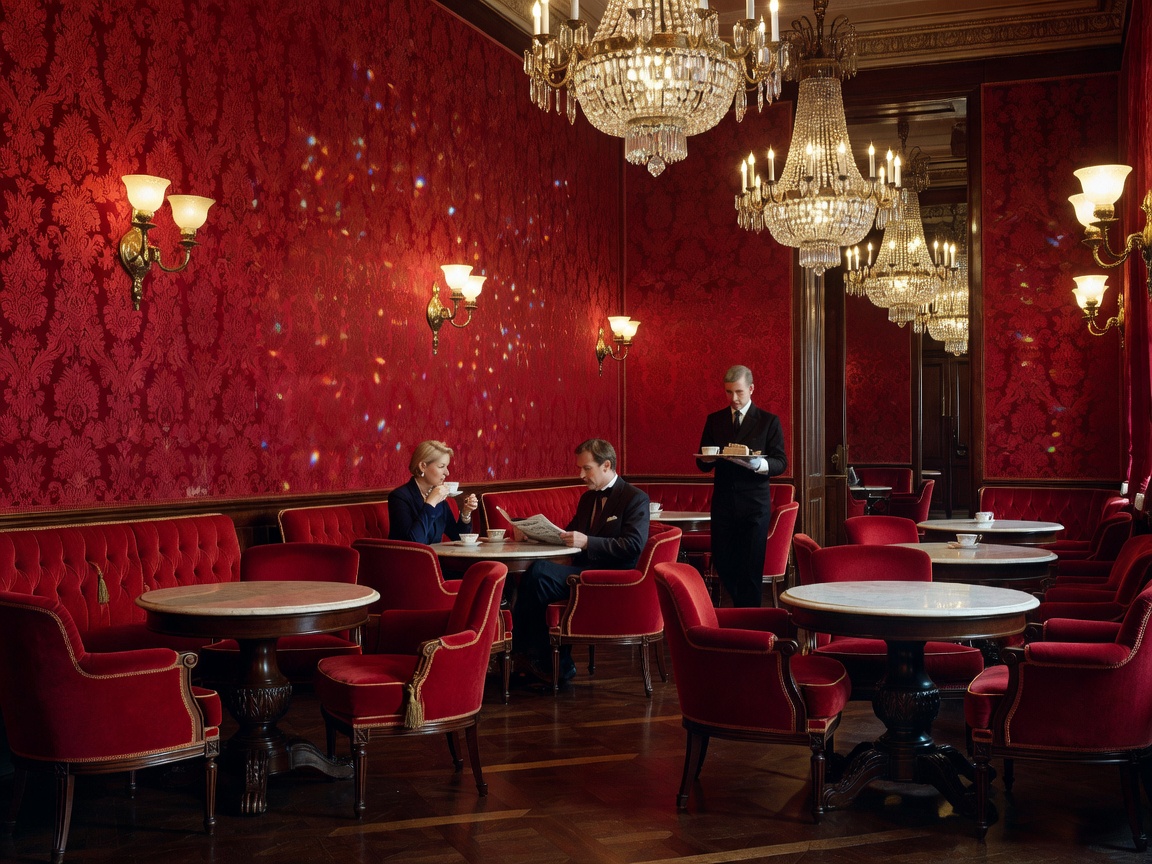
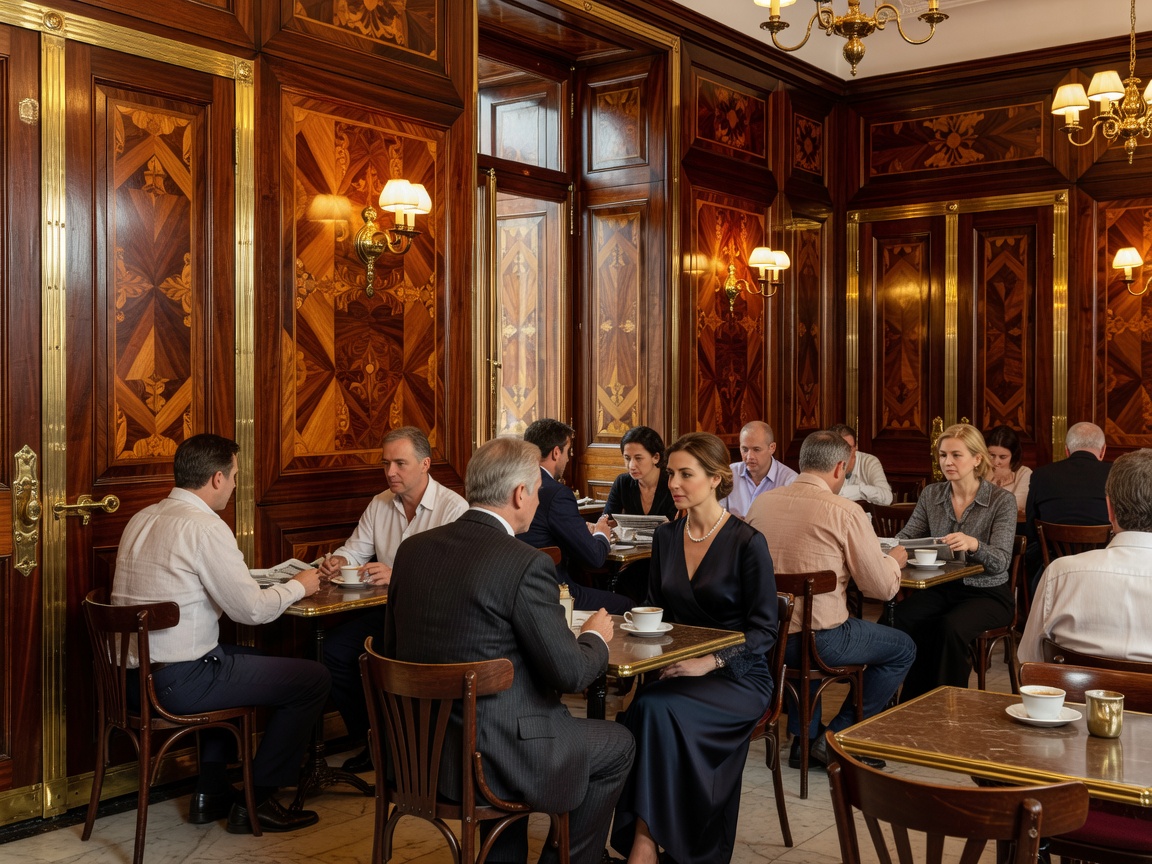
In October 2011, UNESCO officially inscribed Viennese Coffee House Culture as Intangible Cultural Heritage, observing that the city’s traditional coffee houses are open gathering places characterized by marble tables, Thonet bentwood chairs, newspaper sticks with world journals, and coffee served impeccably on a polished silver tray with an inverted spoon across a glass of fresh Alpine water.

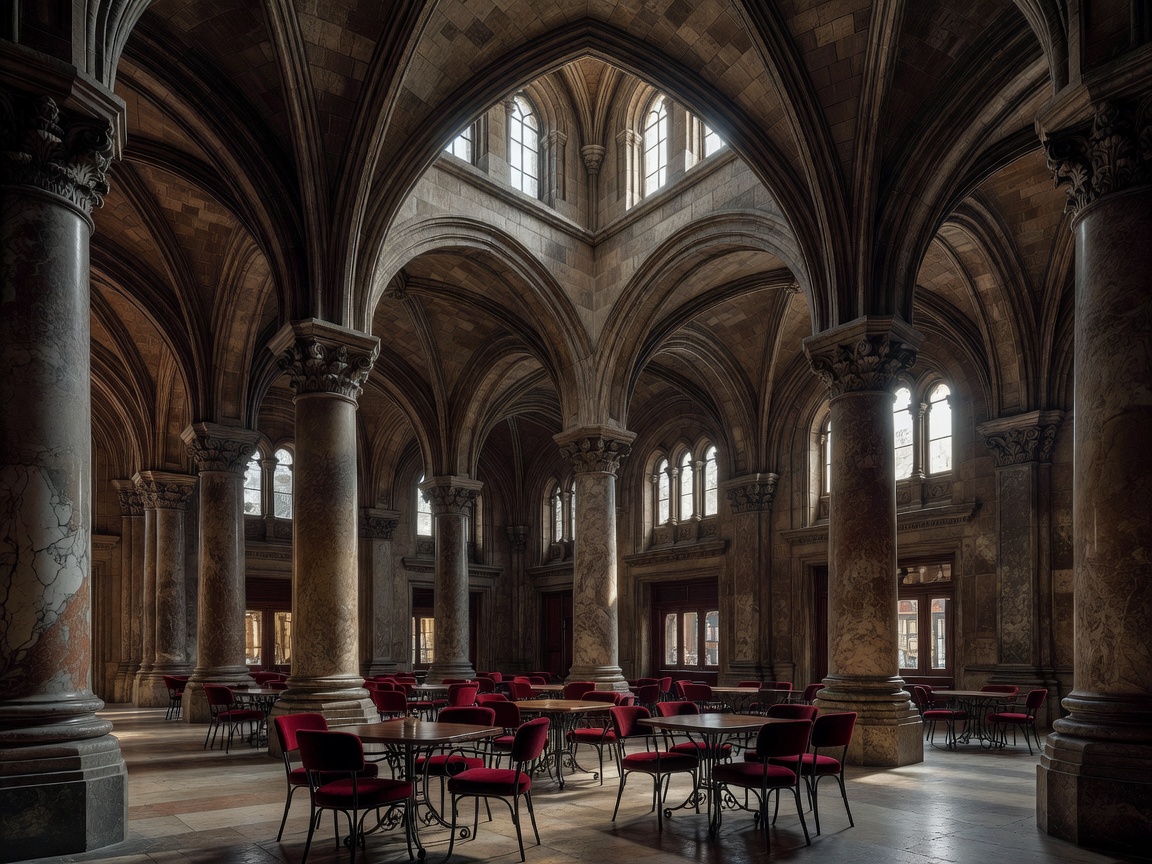
Unlike modern coffee bars designed for rapid consumption, the Viennese Kaffeehaus is intentionally designed for pause. For the modest price of a single coffee, any guest may read undisturbed for hours, draft essays, discuss politics, or immerse themselves in quiet reverie under vaulted ceilings and crystal chandeliers.

From the Ringstraße to the narrow cobblestones of the inner district, each grand establishment preserves distinct historic rituals, pastry heritage, and architectural character. Below are five defining icons of this imperial tradition.

Chronology of Viennese Coffee Culture

Key milestones that transformed captured Ottoman coffee sacks into an enduring civilizational ritual.

1683

The Siege of Vienna & Georg Franz Kolschitzky

Following the retreat of Ottoman forces, Jerzy Franciszek Kulczycki (Kolschitzky) acquired abandoned green coffee sacks, securing imperial permission to open one of Vienna's earliest documented coffee houses.

1856

The Emergence of Female Patronage

Austrian imperial authorities officially lifted legal prohibitions barring women from entering coffee houses unaccompanied, democratizing the salon culture across middle-class and literary society.

1873–1880

The Golden Era of Ringstraße Palaces

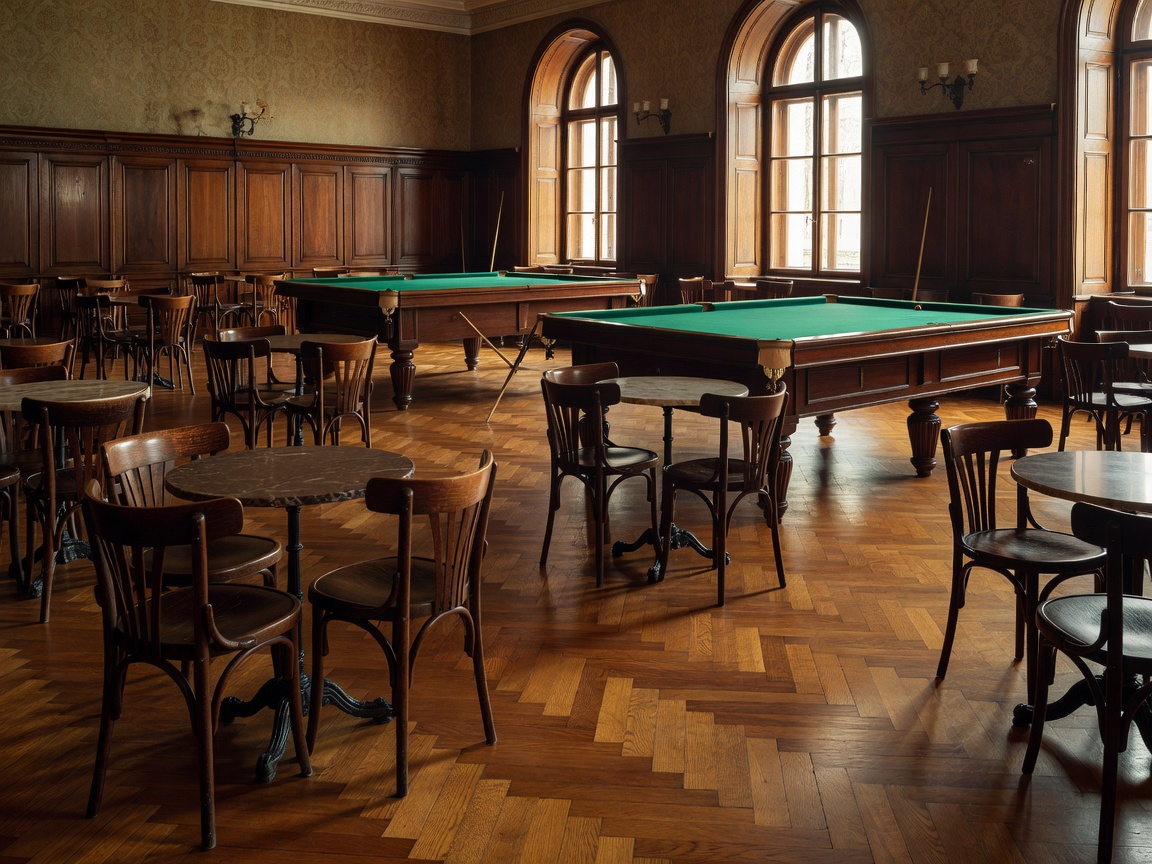
The construction of the grand boulevard saw monumental cafés like Landtmann (1873), Central (1876), and Sperl (1880) open their doors with opulent chandeliers, billiard rooms, and high ceilings.

2011

UNESCO Intangible Cultural Heritage

Viennese coffee house culture was formally cataloged by UNESCO, recognizing its unique social etiquette, customary service rituals, and role as an open community salon.

The Unwritten Etiquette & Lexicon

Navigating the classic Viennese coffee house with poise, respect, and correct terminology.

How to Address the Waiter

The head waiter is traditionally addressed with respect as Herr Ober. When arriving, feel free to choose any unoccupied table unless a reserved sign is visible. Once seated, there is never any hurry; the bill is only presented when you specifically request it by saying "Zahlen, bitte."

The Tray Ritual

Every coffee is delivered on an oval silver-plated tray with a glass of fresh Viennese mountain spring tap water (Hochquellwasser). The teaspoon is placed precisely balanced across the rim of the water glass to signal that the water is clean and fresh.

Viennese Coffee Lexicon

  • Kleiner / Großer Schwarzer: Single or double espresso without milk.
  • Kleiner / Großer Brauner: Espresso served with a tiny pitcher of cream on the side.
  • Melange: Half espresso, half steamed milk, crowned with rich milk foam.
  • Einspänner: Strong black mocha in a clear handle glass, topped with a thick, cold layer of Schlagobers (whipped cream) and dusted with cocoa.
  • Fiaker: Double espresso in a glass, laced with cherry schnapps or rum and topped with whipped cream.